Most lists of creative activities for preschoolers are craft projects: a paper-plate lion, a handprint turkey, a finished example to match. They keep small hands busy without asking your child to come up with anything.
The best creative activities for preschoolers are open-ended: there's no single right result. A box that becomes a car, a pile of loose parts, a story with a new ending, a "how many ways can you…" challenge. Offer a few materials, skip the finished example, and let your child decide what they're making.
Below are ten open-ended activities for preschoolers, and what research says about setting them up.
Why creative thinking matters as your child grows up
Creative thinking is the habit of producing more ideas, unusual ideas, and ideas that combine things in new ways. Researchers measure it in young children with tasks like "How many things could you do with a cup?": the number of ideas (fluency), how different they are (flexibility) and how unusual (originality).
It's a skill employers rank highly. In the World Economic Forum's Future of Jobs Report 2025, creative thinking was among the core skills employers value most (57%), alongside analytical thinking.
Can preschoolers learn to be more creative?
Some evidence says yes. In a 2011 study in Spain, preschoolers who took part in a play program built on creative games scored higher on verbal creativity (more, more varied and more original ideas) and on drawing-based creativity than children in control groups who didn't.
How you set things up matters too. A 2018 University of Toledo study gave toddlers either four toys or sixteen in a play session. With four, they played longer with each toy and in more varied ways, like hiding a toy or pretending to feed it. The children were younger than preschoolers and the study was small, but the pattern is easy to try at home.
Showing a finished example can narrow what your child tries. In a 2011 MIT study, preschoolers who were shown one thing a new toy could do mostly repeated it, while children who weren't shown explored more and found more. That study was about exploring a toy, not making art, but the advice carries over: show the materials and the question, not the answer.
What about pretend play?
Pretend play is one of the most natural creative activities at this age, and it's worth plenty of time. It's also worth being honest about the evidence: a 2013 review of the research in Psychological Bulletin found that the evidence pretend play causes gains in creativity is weak or mixed. Make room for it because children love it and it gives them practice inventing roles and stories; just don't count on a proven creativity boost.
Creative activities for preschoolers to try this week
Each takes 10 to 20 minutes and uses things you have. These work as creative activities for 3 year olds too; just keep the materials fewer and the prompt simpler.
- Box to anything. One big cardboard box. "What could this be?" A car, a boat, a house, a robot's head. Let your child decide, then help with the tape.
- How many ways? Pick one object, like a cup or a scarf. "How many things could we do with this?" Count the ideas before trying any.
- Loose parts tray. Buttons, bottle tops, pegs and string on a tray. No instructions beyond "What can you make?"
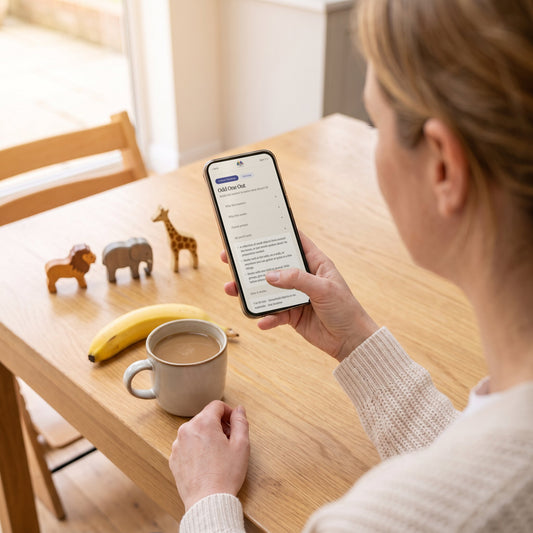
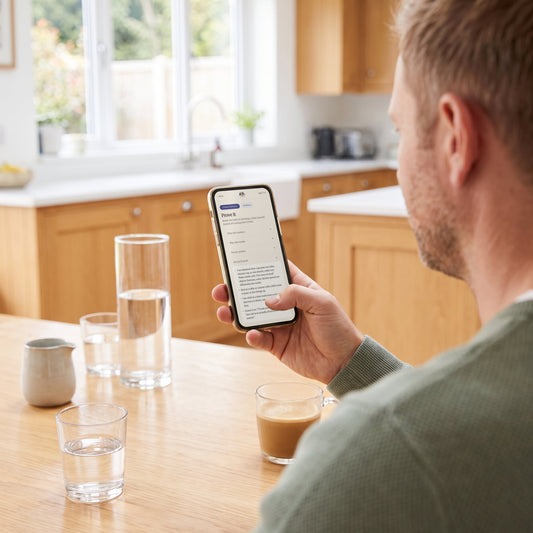
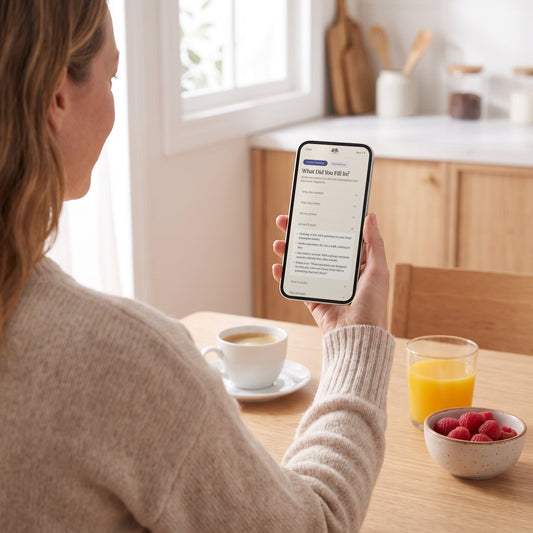
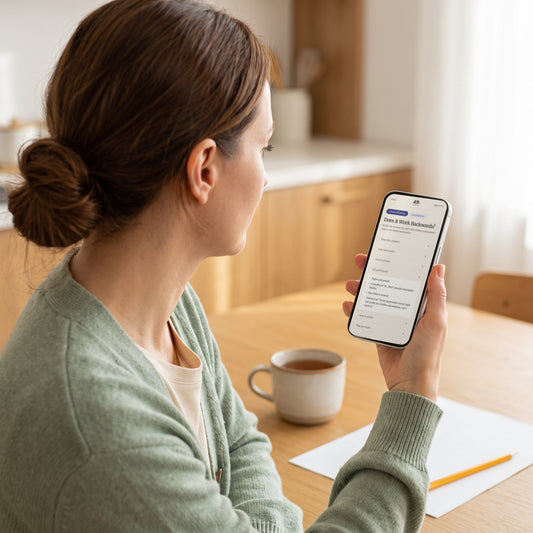
- Mix and match creatures. Draw a head, fold the paper, the next person draws a body. Mix n Match Animals has a version with animal parts.
- What if? "What if dogs could talk? What if it rained milk?" Take turns. What If Stories turns this into a storytelling game.
- Picture prompts. Show an unusual picture from a book and ask what happened just before. Picture Prompts explains how.
- Scribble starter. Draw one squiggle on a page. Your child turns it into something.
- New ending. Read a familiar story and stop before the end. "What else could happen?"
- Mini makers. Tape, a few recycled tubes and boxes, and a goal: "Make something that can carry a toy." Mini Makers has more.
- Pretend shop or café. Set out a few props and let your child decide what's for sale and how it works.
Open-ended activities for preschoolers: how to set them up
- Fewer materials, more ways. Put out four or five things, not the whole craft box.
- Ask, then wait. "What could this be?" works better than "Let's make a car."
- No finished example. If you make one, make it after your child has started, and make it different from theirs.
- Count ideas, not results. "That's your fifth idea!" tells your child that more ideas are what you're after.
- Accept the odd ones. A cup that's a hat is a creative answer. Treat it like one.
What parents can do today
Pick one of these creative play ideas for preschoolers and run it this week:
- Clear a small tray and put out a handful of loose parts with "What can you make?"
- Play "How many ways?" at dinner with a spoon or a napkin.
- Leave out the example next time you do a craft, and see what your child does with the materials alone.
- Save the cardboard box from the next delivery.
Some days your child will build the same car five times. Repetition is normal at this age, so let it run.
The Scrap Build activity in our ages 3 to 4 guide is a ready-made version of this: a pile of scraps, no template, and your child decides what to build.
Raising Future Thinkers | Ages 3–4 has thirty five-minute, screen-free activities across six thinking skills, each built on a named study and written so you can run it after one read.
FAQ
What are creative activities for preschoolers?
Activities with no single right result, where your child decides what to make or what happens: building with a box or loose parts, inventing stories, "how many ways" games and pretend play. Crafts with a finished example to copy are less creative, even when they're fun.
How can I encourage creativity in my preschooler?
Offer a few open-ended materials, ask a question rather than giving instructions, and skip the finished example. Praise the number and variety of ideas rather than how the result looks.
Does pretend play make children more creative?
The research isn't clear. A 2013 review found weak or mixed evidence that pretend play causes gains in creativity. It's still valuable play, and a natural place for children to invent.
Are crafts creative activities?
They can be. A craft becomes creative when your child decides what to make and how, instead of copying a model. Try putting out the materials without the example.
How many toys or materials should I put out?
Fewer than you think. In a 2018 study, toddlers with four toys played longer with each and in more varied ways than toddlers with sixteen. Start with four or five things and swap them out over time.
Sources
- World Economic Forum (2025). The Future of Jobs Report 2025, ch. 3, Skills outlook. https://www.weforum.org/publications/the-future-of-jobs-report-2025/in-full/3-skills-outlook/
- Dauch, C., Imwalle, M., Ocasio, B. & Metz, A. E. (2018). The influence of the number of toys in the environment on toddlers' play. Infant Behavior and Development, 50, 78–87. https://doi.org/10.1016/j.infbeh.2017.11.005
- Lillard, A. S., Lerner, M. D., Hopkins, E. J., Dore, R. A., Smith, E. D. & Palmquist, C. M. (2013). The impact of pretend play on children's development: a review of the evidence. Psychological Bulletin, 139(1), 1–34. https://doi.org/10.1037/a0029321
- Garaigordobil, M. & Berrueco, L. (2011). Effects of a play program on creative thinking of preschool children. The Spanish Journal of Psychology, 14(2). https://doi.org/10.5209/rev_sjop.2011.v14.n2.9
- Bonawitz, E., Shafto, P., Gweon, H., Goodman, N. D., Spelke, E. & Schulz, L. (2011). The double-edged sword of pedagogy: instruction limits spontaneous exploration and discovery. Cognition, 120(3), 322–330. https://pmc.ncbi.nlm.nih.gov/articles/PMC3369499